





Many foreign buyers learn about Mexico’s restricted zone only after they have fallen for a property, and by then the offer is signed and the deposit is already moving. The core rule is simple: foreigners cannot take direct title to land within 50 km of a coast or 100 km of an international border. What is less simple is structuring a purchase that stays inside that rule and protects your money at each stage. This walkthrough covers the restricted zone Mexico property rules in the order we take clients through them, from location checks to the fideicomiso process and the final deed.
Table of Contents
- Quick Takeaways
- What Counts as the Restricted Zone
- How the Fideicomiso Bank Trust Works
- Step-by-Step: Buying Through a Fideicomiso
- When a Mexican Company Makes Sense
- Comparing Your Ownership Routes
- Tax Consequences for Foreign Owners
- Common Mistakes Buyers Make
- Frequently Asked Questions
- References
Quick Takeaways
| Key Insight | Explanation |
|---|---|
| Location decides the structure | Check the parcel’s coordinates against the 50 km coastal line and the 100 km border line before you make an offer, not after. |
| Residential homes use a fideicomiso | A foreign buyer normally receives beneficial rights through a 50-year bank trust, while the bank keeps legal title to the land. |
| The bank approves every operation | Sales, transfers, and inheritance of trust rights must be notified to and approved by the bank, so build that time into your closing calendar. |
| Companies serve non-residential uses | A Mexican company with 100% foreign capital can hold restricted-zone property for non-residential purposes, but it does not replace the trust for a home you plan to live in. |
| Sign a conditional purchase agreement | Make the agreement conditional on trust setup and title review so a failed step does not leave your deposit stranded. |
| Tax follows the sale, not just the purchase | Plan for Mexican tax on any gain and for your home country’s filing rules before you sell, because both can apply to the same transaction. |
What Counts as the Restricted Zone
Article 27 of the Mexican Constitution defines the restricted zone as land within 100 km of an international border and 50 km of the seacoast. Consular guidance from Mexico’s foreign ministry repeats this boundary, and it is the first thing we check on any file. In Puerto Vallarta and Bahía de Banderas, the 50 km coastal band covers the shoreline and the land behind it, so most property buyers in this area will be inside the zone.

Why the Survey Beats the Map
An address on a listing tells you very little about where a parcel sits relative to the boundary. Ask the seller for a current survey with coordinates, then plot those coordinates against the zone line yourself or have your lawyer do it. Guessing from a satellite view is how buyers end up with a structure they cannot legally use.
Pro tip: Request the survey and the coordinates before you pay for an appraisal. If the seller cannot produce them quickly, that delay tells you something about the file.
Inland Parcels Can Work Differently
Distance from the coast or border decides everything, so two properties from the same seller can follow different routes. A buyer comparing an inland home with a beachfront condo may be able to use direct title for the inland home, but will normally need a fideicomiso for the coastal condo. That split is common in our practice, and it is why we never assume a structure from the neighborhood name.
How the Fideicomiso Bank Trust Works
A fideicomiso is a bank trust that holds the land for you. Under the rules described in Mexican consular guidance, the bank retains title for a fifty-year term, while the foreign buyer is the beneficiary who can use, enjoy, sell, or pass on those rights. The trust is the normal route for residential property inside the zone, and it is the reason most buyers in Puerto Vallarta never hold land in their own name.
What the Bank Keeps and What You Own
Owning through a trust is not the same as owning land outright, and buyers should understand the difference before they sign. You hold beneficial rights that are real, enforceable, and transferable, but the bank is the legal owner of record. The bank also decides what it needs from you at onboarding, so expect identity and source-of-funds paperwork before the trust is live.
The Fifty-Year Term and Inheritance
The trust runs for fifty years, and the rights under it can be sold or inherited. Estate planning therefore has to account for the trust, not just a will in your home country. We review how beneficiary rights would pass to heirs as part of the setup, because a trust that is not documented clearly can cause problems years later.
The distance rule decides the legal structure before price, floor plan, or view enter the conversation. Buyers who settle the structure first usually close with fewer surprises.
Why the Bank Must Approve Every Move
Every operation involving the property must be notified to the bank and approved by it. That includes sales, transfers of trust rights, and similar changes. In practice, this adds time to any resale, so sellers should not promise a closing date that depends on a bank response they have not checked.
Step-by-Step: Buying Through a Fideicomiso
A clean purchase follows a sequence, and the order matters. Skipping ahead, especially by paying before the trust exists, is the most common way buyers lose leverage in a deal. The steps below reflect how we run a typical residential file inside the zone.
Step 1: Verify Location and Title
Confirm the coordinates, the registered owner, and any liens or encumbrances on the public property record. Compare the boundary against the 50 km and 100 km lines. If the property falls inside the zone, you know the trust route applies before you spend money on inspections.
Step 2: Sign a Conditional Purchase Agreement
Your purchase agreement should list conditions such as completed title review, approved trust setup, and satisfactory inspections. Include a clear deadline for each condition and a defined refund path if one fails. A deposit with no conditions is the easiest money in the deal for the seller to keep.
Step 3: Open the Bank Trust
Apply to a Mexican bank for the fideicomiso, provide your identity and funding documents, and pay the setup fees the bank sets. Fees and timelines vary by institution, so get the bank’s current schedule in writing. The trust should be in place before the title transfer closes.
Step 4: Sign the Deed Before a Notary
Higher-value acquisitions must be documented in a public deed before a notary. Power of attorney is allowed, but the document must be valid under Mexican law and reviewed before anyone signs. We do not allow a buyer to sign a deed through an agent without seeing the power of attorney in advance.
Step 5: Register and Close
After signing, the deed must be registered with the public property registry so the transfer is recorded. Keep certified copies of every document, including the trust agreement and the registry filing. Closing coordination is where most avoidable delays happen, because one missing signature can hold up the whole file.
When a Mexican Company Makes Sense
A Mexican company can hold restricted-zone property directly, but only for non-residential purposes. Under the consular guidance, a Mexican company with 100% foreign capital may own property in the zone for those uses. Buyers sometimes assume a company is a shortcut around the trust for a family home, and that assumption is wrong.

Residential Use Stays in the Trust
If you plan to live in the property or let it as a private residence, the fideicomiso is still the route. Foreign individuals and companies with 100% foreign ownership both use the trust for residential purchases in the zone. A company structure changes the paperwork, not the rule.
Corporate Setup and Reporting Obligations
A company brings its own duties, including formation documents, bylaws, tax registration, and annual reporting. The cost of running a company can outweigh the benefit for a single property, so compare the ongoing burden against the use you have in mind. We help clients model both routes before they commit.
Comparing Your Ownership Routes
Most buyers in this market choose among three routes, and each one fits a different purpose. The table below summarizes the trade-offs we discuss in a first meeting, including how each route fares for resale and for estate planning.
| Ownership Route | Best Fit | Main Trade-off |
|---|---|---|
| Fideicomiso (bank trust) | Residential homes and condos inside the restricted zone | The bank holds legal title, and every resale or transfer needs bank notification and approval |
| Direct title | Property outside the restricted zone, bought by a foreign individual | Requires confirming that the parcel is genuinely outside the 50 km and 100 km lines, plus the standard Article 27 process |
| Mexican company with 100% foreign capital | Qualifying non-residential uses inside the restricted zone | Carries corporate formation, tax registration, and annual reporting duties that continue for as long as you hold the asset |
The right answer depends on what the property is for, how long you plan to hold it, and whether you will sell it or pass it on. A buyer who expects to resell in five years needs to model bank approval timing. A buyer who wants a family property for decades needs to plan trust inheritance carefully.
Tax Consequences for Foreign Owners
Owning property abroad does not remove tax obligations at home. For a US citizen, the federal filing rules continue to apply even when the property sits in Mexico. Sellers who want to pay less tax on a sale should start planning well before listing, not at closing.
Mexican Tax on the Sale
Mexican tax applies to gains on a sale of Mexican real estate, and the calculation depends on your original cost basis, documented improvements, and the structure used to hold the property. Keep records of the purchase price, closing costs, and every renovation invoice from day one. Missing receipts are the most common reason sellers overpay.
Your Home Country Still Counts
Your home country may tax the same gain, and it may also require reporting on the foreign asset itself. Those rules often differ from Mexican rules on timing and basis, so a single calculation rarely works for both. We recommend a joint review with a cross-border tax adviser before you set a sale price.
Common Mistakes Buyers Make
Most problems in restricted-zone purchases are preventable, and they tend to repeat across files. The patterns below are the ones we see most often when buyers come to us after a deal has started to go wrong.
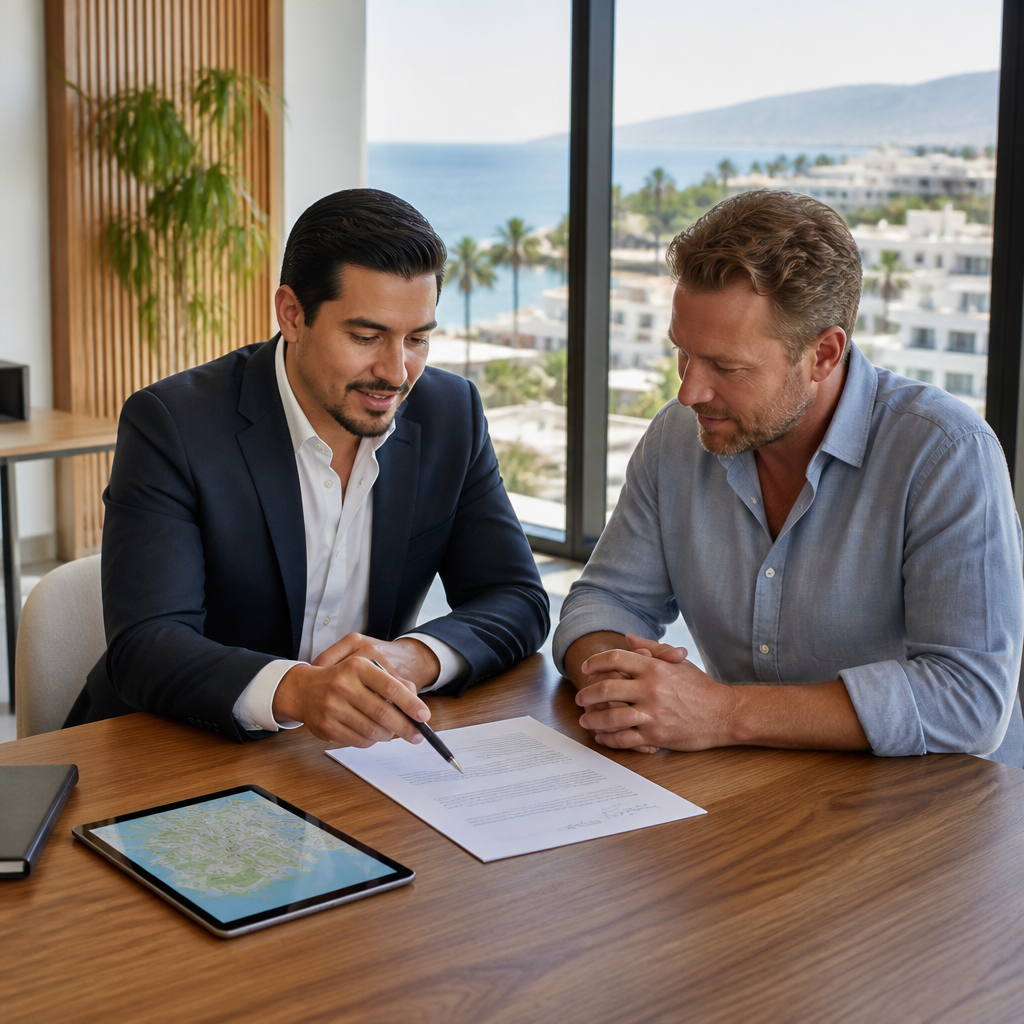
Relying on a Seller’s Assurance
A seller saying the property is outside the zone, or that the trust is “standard,” is not a legal review. Ask for the coordinates, the registry extract, and the trust requirements in writing. If the seller resists, treat that resistance as a warning.
Paying Before the Trust Is Live
Some buyers transfer funds before the trust is set up, assuming the paperwork will catch up. A failed approval then leaves the money stuck in a process you do not control. Tie each payment to a completed milestone, and use an escrow and closing coordination arrangement to hold funds until conditions are met.
Pro tip: Ask for a written closing timeline that lists each bank, notary, and registry step with an expected date. A seller or agent who cannot provide one is not managing the file.
Signing a Power of Attorney Without Review
Acquisitions can be completed through an agent, but the power of attorney must meet Mexican requirements. A vague or outdated document can invalidate a signature at the notary. Have a Mexican lawyer review the document before it is signed abroad.
Frequently Asked Questions
Can a foreigner buy a home directly in Puerto Vallarta?
Usually not for a home inside the restricted zone, because the 50 km coastal band covers most of the area near the bay. Foreign buyers normally acquire residential property there through a fideicomiso. The exact route depends on the parcel’s coordinates, so confirm them before you make an offer.
Does a fideicomiso mean I own the property?
You hold beneficial rights under the trust, while the bank holds legal title. Those rights let you use, enjoy, sell, and pass on the property, but every operation must be notified to and approved by the bank. Think of it as ownership with a defined process rather than direct title.
How long does a fideicomiso last?
Consular guidance describes the residential trust as running for fifty years. The rights under the trust can be sold or inherited during that period. Plan your estate arrangements around the trust, not only around a will.
Can I avoid the trust by buying through a company?
Not for a residential home. A Mexican company with 100% foreign capital can hold restricted-zone property directly for non-residential purposes, but a home you plan to live in or rent as a private residence still uses the trust. A company also brings ongoing corporate and tax duties.
Do I need a notary to buy property in the zone?
Lower-value acquisitions can be documented before a notary, a judge, or a property registrar with two witnesses, but higher-value transactions must be handled through a notary deed. Most buyers should plan on a notary regardless of value, because the deed and registry filing are where the legal transfer becomes effective.
Can I buy through a power of attorney if I cannot travel?
Yes, an agent can act for you if the power of attorney is valid under Mexican law. Review the document before you sign it, and confirm that it covers the specific acquisition and trust steps. A free initial consultation at Grupo Nar is a practical place to start that review.
Have you bought or sold property inside the restricted zone, and which step surprised you most? Tell us about your experience, especially where the process differed from what you expected.